

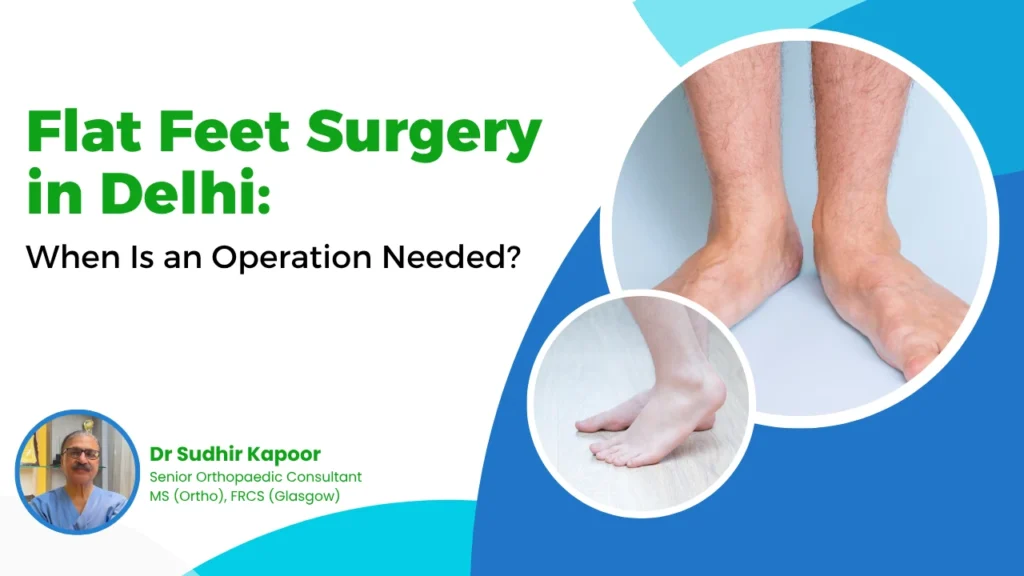
Flat feet, also known as fallen arches, are a common foot condition where the natural arch of the foot is either very low or completely absent. While many people with flat feet never experience any problems, others develop pain, difficulty walking, ankle instability, and progressive changes in foot shape that can affect their daily lives.
One of the most common questions patients ask is whether flat feet can be treated without surgery or if an operation is eventually necessary. The answer depends on several factors, including the severity of the condition, the symptoms experienced, and how well non-surgical treatments are working.
If you are considering flat feet surgery in Delhi, understanding when surgery becomes necessary can help you make an informed decision about your treatment options.
Understanding Flat Feet
The arch of the foot plays an important role in supporting body weight, absorbing shock, and helping maintain proper alignment during walking and running. In people with flat feet, this arch is reduced or absent, causing the entire sole of the foot to come into contact with the ground.
Flat feet may be present from childhood or develop later in life due to tendon injuries, arthritis, obesity, aging, or previous trauma. While some individuals remain symptom-free, others gradually develop discomfort and mobility issues.
Common Symptoms of Flat Feet
Not all flat feet require treatment. However, symptoms that persist or worsen over time should not be ignored.
Foot and Arch Pain
Pain along the inner side of the foot or arch is often the first symptom patients notice. The discomfort may increase after prolonged standing, walking, or physical activity.
Ankle Pain and Swelling
As the arch collapses, extra stress is placed on the tendons and ligaments around the ankle. This can lead to swelling and tenderness, especially on the inner side of the ankle.
Fatigue While Walking
Many patients feel their feet tire quickly during routine activities. Walking long distances may become uncomfortable or difficult.
Changes in Foot Shape
Progressive flattening of the arch may cause the foot to roll inward and appear wider. Some patients notice that their shoes wear unevenly or fit differently than before.
Knee, Hip, and Back Discomfort
Flat feet can affect body alignment and gait mechanics, which may contribute to pain in the knees, hips, and lower back over time.
When Is Flat Feet Surgery Necessary?
Most orthopedic specialists recommend surgery only when conservative treatments fail to provide relief. Surgery is usually considered after a thorough evaluation confirms that structural problems within the foot are responsible for ongoing symptoms.
Persistent Pain Despite Treatment
If pain continues despite using orthotic insoles, supportive footwear, physiotherapy, medications, and activity modifications, surgery may be recommended to address the underlying cause.
Progressive Arch Collapse
In some patients, the arch continues to deteriorate over time. Early surgical intervention may prevent the deformity from becoming more severe and difficult to correct.
Posterior Tibial Tendon Dysfunction
The posterior tibial tendon is one of the primary structures responsible for maintaining the foot arch. Damage to this tendon can lead to progressive flatfoot deformity and may require surgical repair or reconstruction.
Severe Foot Deformity
When the foot becomes significantly misaligned or rigid, non-surgical treatments often provide limited benefit. Surgery may be necessary to restore proper alignment and function.
Difficulty Performing Daily Activities
If walking, climbing stairs, exercising, or standing for long periods becomes increasingly difficult because of foot pain, surgery may offer long-term improvement in mobility and quality of life.
Non-Surgical Treatments Usually Tried First
Before recommending surgery, orthopedic specialists typically explore several conservative treatment options.
Custom Orthotics
Specialized shoe inserts can help support the arch and improve foot alignment during walking.
Physiotherapy
Strengthening and stretching exercises may improve foot function and reduce stress on affected tendons.
Supportive Footwear
Proper shoes with good arch support can significantly improve comfort and stability.
Weight Management
Maintaining a healthy weight reduces pressure on the feet and may help relieve symptoms.
Anti-Inflammatory Medications
These medications may provide temporary relief from pain and inflammation during flare-ups.
Types of Flat Feet Surgery
The specific surgical procedure depends on the severity of the deformity, tendon condition, age, and overall foot structure.
Tendon Repair or Reconstruction
Damaged tendons may be repaired or reconstructed to restore support to the arch.
Bone Realignment Procedures
In many cases, bones are repositioned to improve foot mechanics and correct deformity.
Joint Fusion Surgery
For severe deformities or arthritis-related flat feet, selected joints may be fused to provide stability and reduce pain.
Combination Procedures
Complex cases often require a combination of tendon, ligament, and bone procedures to achieve optimal correction.
Recovery After Flat Feet Surgery
Recovery time varies depending on the procedure performed and the patient’s overall health. Most patients require a period of limited weight-bearing followed by rehabilitation.
A protective cast or walking boot is usually worn during the initial healing phase. Physiotherapy is then introduced to restore strength, flexibility, and balance.
While many patients can return to routine activities within a few months, complete recovery may take six to twelve months for more complex reconstructive procedures.
Benefits of Flat Feet Surgery
- Long-term pain relief
- Improved foot alignment
- Better walking and standing ability
- Enhanced balance and stability
- Reduced stress on knees and ankles
- Prevention of worsening deformity
- Improved quality of life
Conclusion
Flat feet do not always require surgery. Many individuals manage their condition successfully with supportive footwear, orthotics, and physiotherapy. However, when pain becomes persistent, the arch continues to collapse, or daily activities are affected, surgery may become the most effective solution.
Early evaluation by an experienced orthopedic specialist is important for identifying the cause of symptoms and determining the best treatment plan. For patients considering flat feet surgery in Delhi, timely intervention can help restore comfort, improve mobility, and prevent long-term complications.